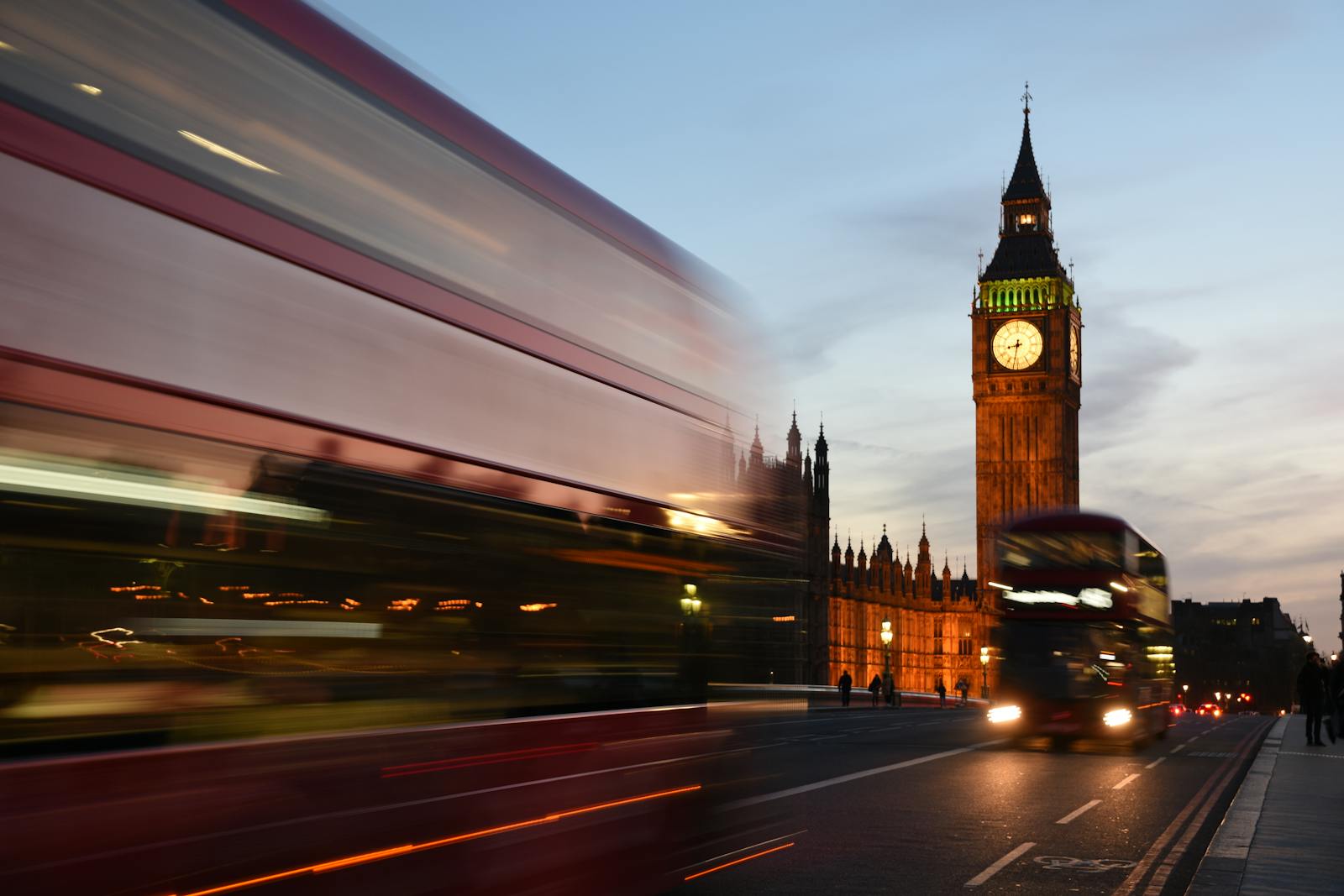


London, the capital of the United Kingdom, is a city that pulsates with energy and diversity. Its dynamic nature is not a recent phenomenon; it has been a melting pot of cultures, ideas, and innovations for centuries. The city has a rich history that dates back to Roman times when it was known as Londinium. Over the years, London has transformed itself repeatedly, adapting to the changing socio-economic landscape while maintaining its core identity. This adaptability is one of the key factors that contribute to the city’s vibrancy and status as a global hub.
One of the prominent aspects of London’s dynamism is its unmatched cultural diversity. With over 300 languages spoken, the city is home to people from various backgrounds and ethnicities. This multiculturalism not only enriches the social fabric of the city but also fosters creativity and innovation. The fusion of different cultures leads to a unique blend of art, music, cuisine, and fashion, making London a center for artistic expression and experimentation.
Moreover, London is a thriving economic powerhouse. The city boasts a robust economy that attracts businesses and entrepreneurs from around the world. The presence of numerous multinational corporations, startups, and tech giants has helped in creating a competitive environment that drives innovation. The financial district, known as the City of London, is one of the leading financial centers globally, significantly contributing to the UK’s economy.
Another factor that enhances London’s dynamism is its commitment to education and research. The city is home to some of the world’s leading universities and research institutions, which attract students and scholars from all over the globe. These institutions not only contribute to the intellectual capital of the city but also promote collaboration between academia and industry. This synergy fosters innovation and drives progress in various sectors, including technology, healthcare, and the arts.
Lastly, London’s infrastructure plays a pivotal role in maintaining its dynamic status. The city’s extensive public transport system, including the famous London Underground, makes it accessible and interconnected. This ease of movement encourages both residents and tourists to explore the city, contributing to its vibrant atmosphere. The continuous investment in infrastructure ensures that London remains competitive and capable of meeting the demands of a growing population.
Cultural and Creative Scene
The cultural landscape of London is one of its most captivating features. The city hosts a plethora of museums, galleries, theaters, and music venues, making it a haven for artists and art lovers alike. Institutions such as the British Museum, Tate Modern, and the National Gallery offer a treasure trove of art and historical artifacts. These venues attract millions of visitors each year, further cementing London’s reputation as a cultural capital.
Additionally, the city is renowned for its vibrant theater scene, with the West End being the epicenter of theatrical performances. From classic plays to contemporary productions, there is something for everyone. The Royal Opera House and the National Theatre also contribute to the rich theatrical tapestry of London, showcasing a diverse range of performances throughout the year.
London’s music scene is equally dynamic, spanning a multitude of genres. From classical concerts at the Royal Albert Hall to indie gigs in East London, the city caters to all musical tastes. The annual music festivals, such as Wireless and Notting Hill Carnival, further highlight London’s diverse musical culture, drawing in crowds from around the world.
The culinary scene in London is another aspect that showcases its dynamism. The city is home to a wide array of restaurants, food markets, and street food vendors, offering cuisines from every corner of the globe. Borough Market and Brick Lane are just two examples of places where food enthusiasts can explore diverse culinary offerings. The fusion of traditional British dishes with international influences creates a unique gastronomic experience that is continually evolving.
Furthermore, London’s fashion scene is a significant driver of its dynamic status. The city is a global fashion capital, hosting events like London Fashion Week, which attracts designers, models, and fashion enthusiasts from around the globe. The presence of iconic shopping districts, such as Oxford Street and Covent Garden, further highlights London’s status as a trendsetter in the fashion industry. The constant innovation and creativity in fashion contribute to the ever-changing landscape of the city.
Economic Opportunities and Innovations
London’s economy is characterized by its resilience and adaptability. The city has become a magnet for businesses, entrepreneurs, and investors due to its favorable business environment. The diverse economy is supported by various sectors, including finance, technology, creative industries, and tourism, providing ample opportunities for growth and innovation.
The financial services sector is one of the cornerstones of London’s economy. The City of London is home to numerous banks, investment firms, and insurance companies, making it a global financial hub. This concentration of financial expertise attracts talent and investment, fostering a competitive environment that drives innovation. The regulatory framework in London also supports business growth, making it an attractive destination for startups and established companies alike.
In recent years, the tech sector has witnessed remarkable growth in London, establishing the city as a leading tech hub in Europe. The presence of tech giants such as Google and Facebook, along with a thriving startup ecosystem, has created a vibrant tech community. Initiatives like Tech City and various incubators provide support to emerging tech companies, encouraging innovation and collaboration. This dynamic tech landscape not only contributes to job creation but also enhances London’s reputation as a center for technological advancement.
Moreover, the creative industries play a crucial role in the economic landscape of London. The city is home to a multitude of creative agencies, advertising firms, and design studios. This concentration of creative talent fosters collaboration and innovation, leading to the emergence of groundbreaking projects and campaigns. Events like the London Design Festival and the London Film Festival further showcase the city’s commitment to creativity and innovation.
Tourism is another vital sector that adds to London’s dynamic economy. The city attracts millions of visitors annually, drawn by its rich history, cultural offerings, and iconic landmarks. Attractions such as the Tower of London, Buckingham Palace, and the London Eye are just a few examples of what the city has to offer. The tourism industry supports numerous jobs and contributes significantly to the local economy, showcasing the city’s ability to attract global attention.
Education and Research as Catalysts for Growth
Education and research are fundamental to London’s ongoing dynamism. The city is home to some of the world’s leading universities, including University College London (UCL), Imperial College London, and the London School of Economics. These institutions attract top talent from around the globe, contributing to a skilled workforce that drives innovation and economic growth.
Moreover, the collaboration between universities and industries fosters a culture of research and development. Many universities have established partnerships with businesses, facilitating knowledge transfer and innovation. Research initiatives in fields such as healthcare, engineering, and environmental science contribute to solving some of the world’s pressing challenges while enhancing London’s global reputation as a center for research excellence.
Additionally, the city hosts numerous research institutions and think tanks that contribute to policy development and innovation. Organizations such as the Wellcome Trust and the Francis Crick Institute are at the forefront of scientific research, attracting researchers from various disciplines. This thriving research community not only enhances London’s intellectual capital but also drives advancements in technology and healthcare.
Furthermore, London’s commitment to lifelong learning is evident in its numerous educational programs and initiatives. The presence of adult education centers and vocational training programs ensures that individuals have access to opportunities for personal and professional development. This emphasis on education creates a culture of continuous learning, fostering adaptability in an ever-changing job market.
In summary, the combination of world-class education, research, and collaboration between academia and industry positions London as a leader in innovation and growth. The city’s commitment to education not only enhances its dynamism but also ensures that it remains a competitive player on the global stage.
Future Prospects for London’s Dynamism
Looking ahead, London’s prospects for maintaining its dynamic status are promising. The city is continually evolving, driven by innovation, diversity, and resilience. However, challenges such as housing affordability, environmental sustainability, and economic inequality must be addressed to ensure that London remains a vibrant and inclusive city for all its residents.
One of the key areas for future development is sustainability. As climate change becomes an increasingly pressing issue, cities worldwide are seeking to adopt sustainable practices. London has already made strides in this direction, with initiatives aimed at reducing carbon emissions, promoting green spaces, and enhancing public transport. The city’s commitment to sustainability will not only improve the quality of life for its residents but also attract businesses and investors who prioritize environmental responsibility.
Furthermore, the ongoing technological advancements will continue to shape London’s future. The rise of artificial intelligence, automation, and digital innovation presents both opportunities and challenges. Embracing these changes while ensuring that the workforce is equipped with the necessary skills will be crucial for maintaining London’s competitive edge in the global economy.
Additionally, fostering social inclusion and addressing economic disparities will be vital for ensuring that all residents can benefit from the city’s dynamism. Initiatives aimed at providing affordable housing, improving access to education, and supporting marginalized communities will contribute to building a more equitable city.
In conclusion, London’s status as one of the most dynamic cities in the world is underpinned by its rich history, cultural diversity, economic opportunities, and commitment to education and innovation. As the city navigates the challenges and opportunities of the future, its ability to adapt and evolve will determine its continued success and vibrancy. With ongoing investment in sustainability, technology, and social inclusion, London is poised to maintain its position as a global leader for years to come.