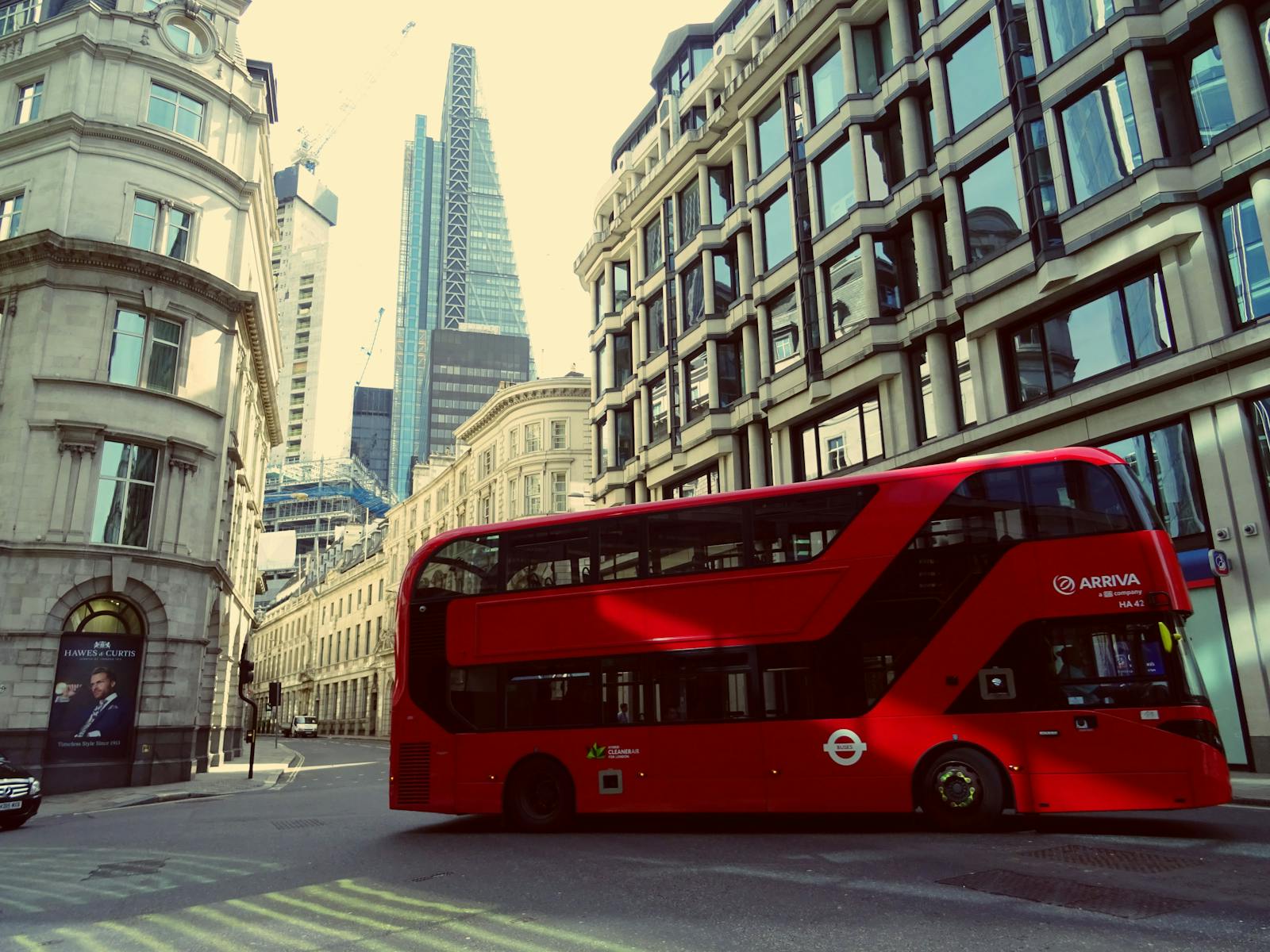


East London has long been recognized as a vibrant hub for creative innovation. This area is characterized by a rich tapestry of cultural influences, artistic endeavors, and entrepreneurial spirit. Over the past two decades, East London has transformed from an industrial wasteland into a flourishing landscape of creativity. The arrival of artists, designers, and tech innovators has played a pivotal role in this transformation, making the area a magnet for talent and inspiration.
One of the key factors contributing to East London’s reputation as a creative powerhouse is its diverse population. The melting pot of cultures has fostered an environment where different ideas can collide and merge, resulting in fresh and innovative concepts. This diversity is reflected in the myriad of street art, cuisine, and cultural festivals that celebrate the unique fabric of the community.
The area is also home to several iconic creative spaces. Places like the Whitechapel Gallery and the V&A Museum of Childhood have become landmarks for artists and art lovers alike. These institutions not only exhibit contemporary works but also encourage community engagement and participation. Such spaces serve as incubators for creativity, offering a platform for emerging artists to showcase their work and connect with others in the industry.
Moreover, East London is often associated with the tech scene, particularly in areas like Shoreditch and Hoxton. The influx of tech startups and creative agencies has altered the economic landscape, generating new job opportunities and attracting investment. This synergy between technology and creativity has paved the way for innovative projects that challenge traditional boundaries.
In summary, the combination of a diverse community, supportive creative spaces, and a booming tech industry has contributed to East London’s status as the heart of creative innovation. As the area continues to evolve, it promises to remain a vital contributor to the cultural and economic fabric of London.
The Role of Community and Collaboration in East London’s Innovation
At the heart of East London’s creative scene lies a strong sense of community and collaboration. Artists, designers, and entrepreneurs often work together, sharing ideas and resources in a way that fosters innovation. This collaborative spirit is evident in the numerous co-working spaces, studios, and creative hubs that have sprung up throughout the area.
The collaboration extends beyond just the physical spaces; it encompasses various sectors, including fashion, technology, and art. For instance, fashion designers often partner with tech innovators to create wearable technology, blending aesthetics with functionality. Such cross-disciplinary collaborations are increasingly common in East London, leading to groundbreaking projects that push the envelope of creativity.
The local government also plays a role in fostering this collaborative atmosphere. Initiatives and funding programs aimed at supporting small businesses and creative enterprises have been established to nurture the creative ecosystem. These efforts ensure that emerging talent has access to the resources they need to thrive, whether through grants, mentoring, or networking opportunities.
Educational institutions in East London, such as the University of the Arts London, contribute to this innovative environment by providing students with the skills and knowledge necessary to succeed in creative industries. The university encourages students to engage with the local community, fostering a sense of belonging and collaboration among future generations of creatives.
Events like the London Design Festival and Hackney Carnival exemplify the collaborative spirit and community engagement that characterize East London. These events bring together local artists, designers, and residents, celebrating the area’s creative achievements while also providing a platform for new ideas to emerge. The sense of pride and ownership felt by the community during these events reinforces the importance of collaboration in driving innovation.
In conclusion, community and collaboration are essential components of East London’s identity as a hub for creative innovation. The synergy between individuals, businesses, and institutions creates an environment where new ideas can flourish, ultimately shaping the future of the creative landscape in this dynamic area.
Creative Spaces: The Incubators of Innovation
Creative spaces in East London play a crucial role in nurturing talent and fostering innovation. These spaces are often more than just physical locations; they serve as incubators where ideas are born and collaborations take flight. From art studios to tech hubs, these environments encourage experimentation and risk-taking, which are essential for creative growth.
One notable example is Brick Lane, which has become synonymous with street art and independent galleries. This vibrant area attracts artists from around the world, creating an open-air gallery that evolves constantly. The streets are alive with creativity, showcasing works that challenge societal norms and provoke thought. The community’s support for these artists adds to the area’s reputation as a creative hotspot.
Additionally, East London boasts various co-working spaces that cater to different creative industries. Spaces like WeWork and Second Home provide flexible work environments for freelancers and startups, promoting networking and cross-pollination of ideas. These spaces often host events, workshops, and talks, further enhancing the collaborative atmosphere.
The presence of incubators and accelerators, such as TechHub and Seedcamp, also contributes to the region’s appeal. These organizations offer mentorship, funding, and resources to early-stage startups, helping them navigate the challenges of launching a business. By connecting entrepreneurs with experienced professionals, these incubators create a supportive ecosystem that encourages innovation.
-
Access to Resources: Creative spaces often provide access to tools, equipment, and facilities that individual artists or startups might not afford.
-
Networking Opportunities: Being surrounded by like-minded individuals fosters connections that can lead to collaborations or partnerships.
-
Skill Development: Workshops and events hosted in these spaces offer opportunities for skill enhancement and professional growth.
-
Creative Inspiration: The dynamic environment of creative spaces stimulates fresh ideas and innovative thinking.
In conclusion, the incubators of innovation in East London, characterized by creative spaces, co-working environments, and supportive networks, are essential for nurturing the area’s artistic and entrepreneurial talent. These spaces empower individuals to push boundaries, collaborate, and ultimately contribute to the rich tapestry of creativity that defines East London.
Conclusion: The Future of Creative Innovation in East London
The future of creative innovation in East London looks promising, as the area continues to evolve and adapt to new trends and technologies. The ongoing influx of talent and investment indicates that East London will remain a vital player in the global creative economy. As traditional industries adapt to the digital age, the creative sector will likely lead the way in redefining how we perceive art, design, and technology.
Moreover, the emphasis on sustainability and social responsibility is increasingly shaping the creative landscape in East London. Many local businesses are adopting eco-friendly practices, while artists focus on themes of social justice and community engagement. This shift not only enhances the relevance of creative work but also resonates with a broader audience that values ethical considerations.
As we look ahead, the collaboration between various sectors will continue to be a driving force for innovation. The synergy between creatives, technologists, and entrepreneurs will lead to groundbreaking projects that challenge conventions and inspire future generations. East London is poised to be at the forefront of this creative revolution, ensuring its status as a global hub for innovative thinking and artistic expression.
In summary, East London’s rich cultural heritage, community-focused initiatives, and commitment to innovation provide a solid foundation for continued creative growth. The area will undoubtedly remain a beacon of inspiration for artists, designers, and innovators alike, making it a unique and exciting place to live, work, and create.